

Solutions by industry / Chemicals & pharma
AI for chemical and pharma sites, one validated step at a time
Start with clean utilities, trace every batch, and deploy models your QA can sign off. Then optimise reactions and keep every batch on spec.
Trusted by process manufacturers








Three ways in
Start where validation is light, then move closer to the product
Pharma and chemical sites rarely start AI on the reaction itself. They start where data exists and the regulatory impact is indirect, prove the value, then scale.

Clean utilities
Softeners, distillers and chillers run on fixed, conservative rules. Data-driven decisions save water, chemicals and energy, inside existing limits.
Batch traceability
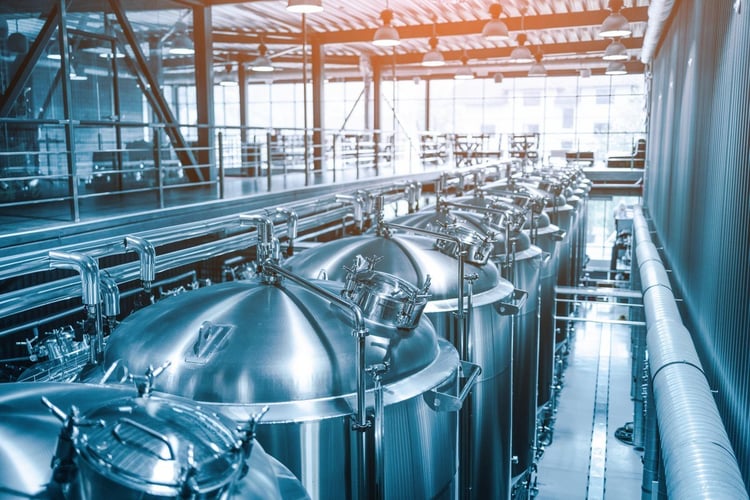
Which raw material caused a deviation, and which batches does it touch? The same question in brewing and in pharma, answered in minutes.
AI in GxP production
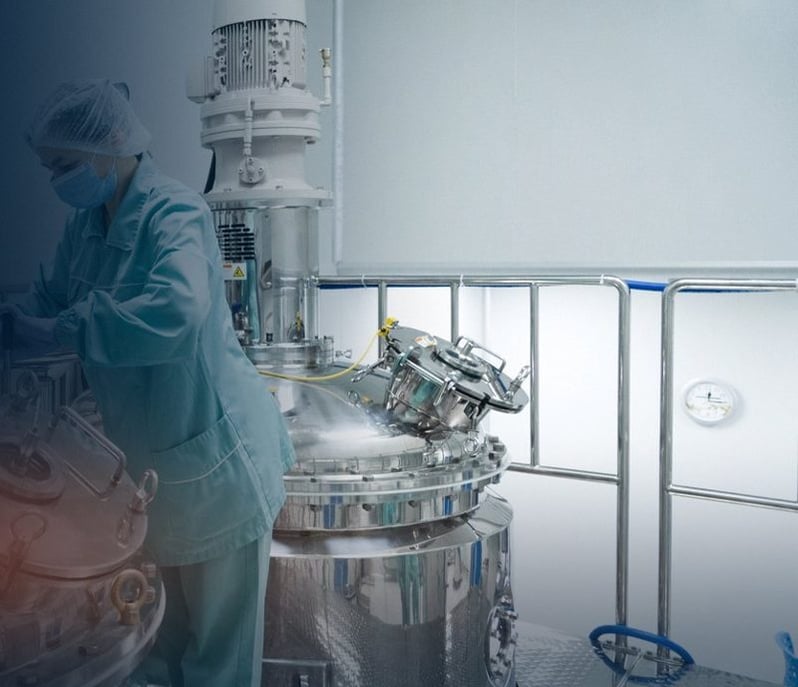
Models built in the cloud, approved under your change control, verified where they run. Designed around Part 11 and Annex 11.
Key benefits
Precision, consistency and safety in every batch
Wizata adapts to the specific needs of chemical and pharmaceutical production: tight reaction control, repeatable batches and strict regulation.
Precision in production
Precise control over chemical reactions and drug formulations, with fewer deviations and a higher yield.
Consistent product quality
Critical parameters monitored in real time, so quality stays consistent from one batch to the next.
Compliance and safety
Continuous checks against your process rules and safety limits, with alerts the moment a parameter drifts.
Lower production costs
Better use of raw materials and energy, and less waste, through AI-driven process efficiency.
How it works
AI along the whole production chain
From incoming raw materials to the equipment that runs the reactions, each step gets its own model on one platform.
Incoming quality
Raw materials are analysed against quality standards before they enter the process.
Real-time conditions
Temperatures, pressures and dosages are adjusted in real time for the best reaction efficiency.
On spec, every batch
Product specifications are monitored continuously during production, so each batch meets its exact standard.
Predictive maintenance
Vibration and condition monitoring on critical assets prevents failures and raises availability.
Built for regulated production
Traceable models, batch-native data
Regulated sites need to know exactly what runs, on which data, since when. The platform is built around that.
Batches as first-class data
Query and compare by batch, production order or cycle, not only by the clock. Train one model per product or grade.
Versioned, reproducible pipelines
Drafts, published versions and frozen releases. Every deployment records its release, and execution logs are kept per asset.
Bring your validated models
Upload the models your R&D teams already built and validated, and run them in production without rebuilding them.
Your environment, your data
Run Wizata in your own Azure or AWS tenant, or at the edge on site. Your data, models and IP stay yours.
Demonstrating ROI
Measured in consistency and availability
Next step
Start with your utilities, scale to your batches
You don't have to do it alone. Talk to one of our engineers, or spend one or two days with our team on your own data.